Patent Vault is not a public dump of unreviewed ideas. It is an internal governance pathway that records provenance, screens prior art, distinguishes invention from research, and decides what can be disclosed, protected, licensed, or retired.
Questions worth building a program around.
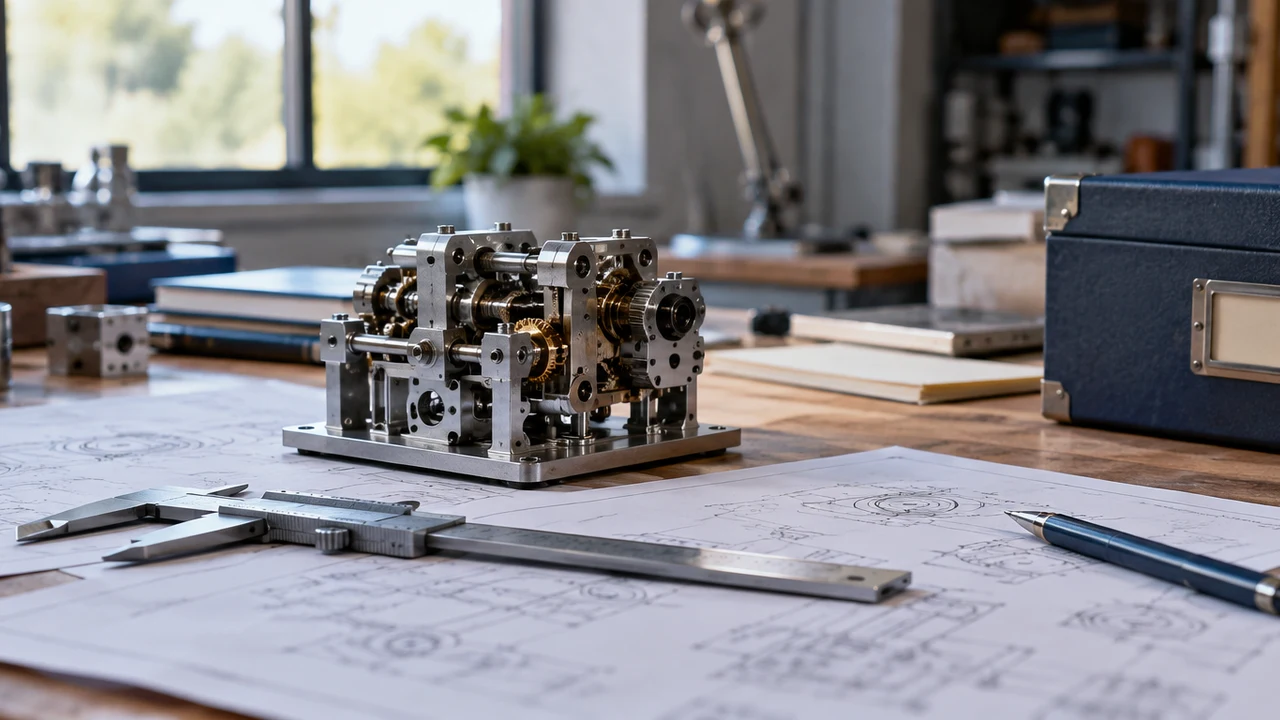
An invention pipeline connects a research insight to a documented technical concept, a prototype and a considered disclosure decision. The public Patent Vault explains that process and can present authorized nonconfidential summaries. It is distinct from a secure private repository: the public website is not a place to submit secret enabling details or infer ownership from an attractive project description.
From an idea to inspectable work.
The proposed record tracks chronology, contributors, the problem being addressed, candidate implementations and relevant prior work. A novelty comparison helps clarify what is actually different, while technical tests ask whether the idea works as described. Publication, licensing, trade-secret treatment and patent review are different pathways with different consequences. Ownership, contributor rights and permission to disclose need documented resolution before public release or a commercial agreement.
What evidence demonstrates novelty beyond a compelling description?
When should open publication take priority over patent protection?
How can contributor rights and institutional interests remain explicit?
- 1
Adopt the invention governance policy
- 2
Establish qualified legal-review pathways
- 3
Publish a non-confidential portfolio index when appropriate
Where a contribution can matter.
Useful contributions include engineering validation, documented prior-art research, nonconfidential summaries and qualified professional review. No patent grant, filing or license is implied unless the site links to evidence for that specific record.
Program support can help fund documentation, computation, reproducible tools and qualified review. Explore research partnerships or support the institute.